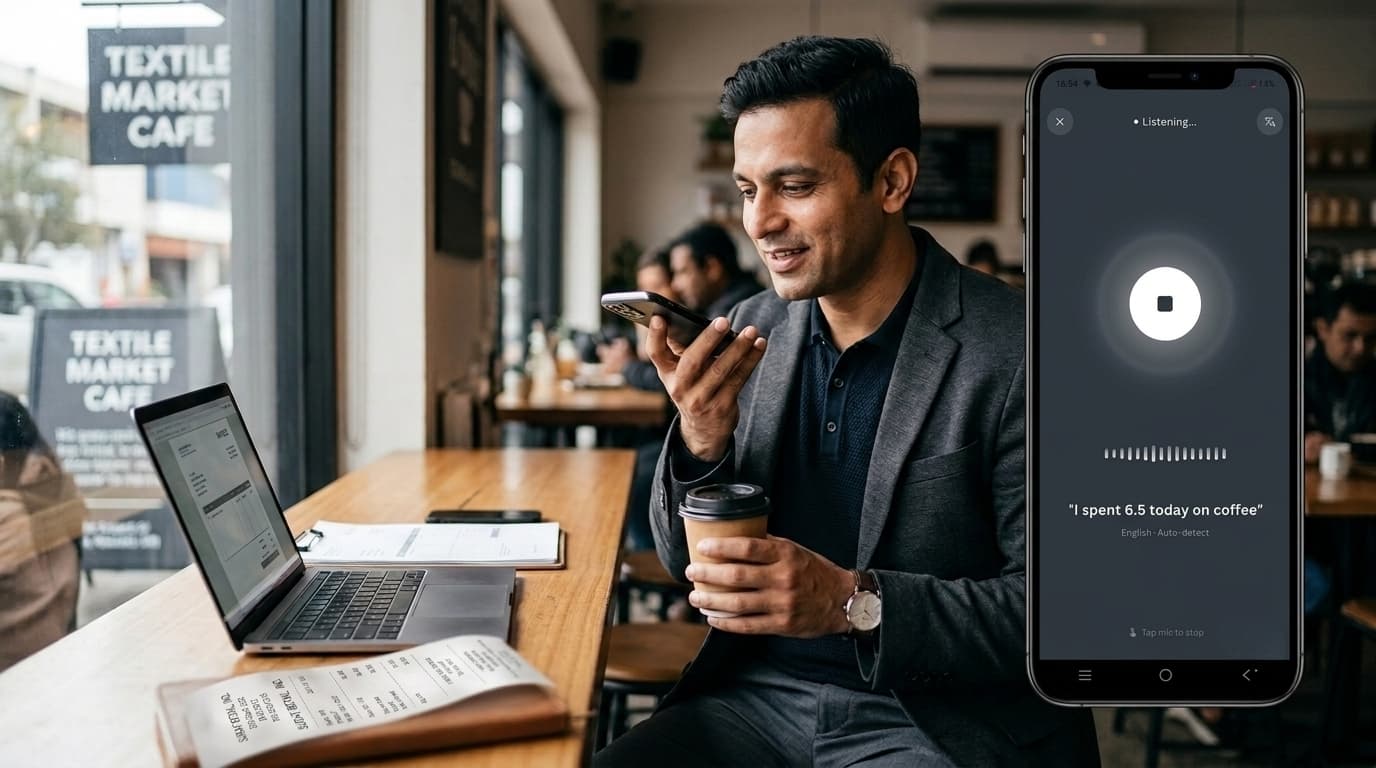
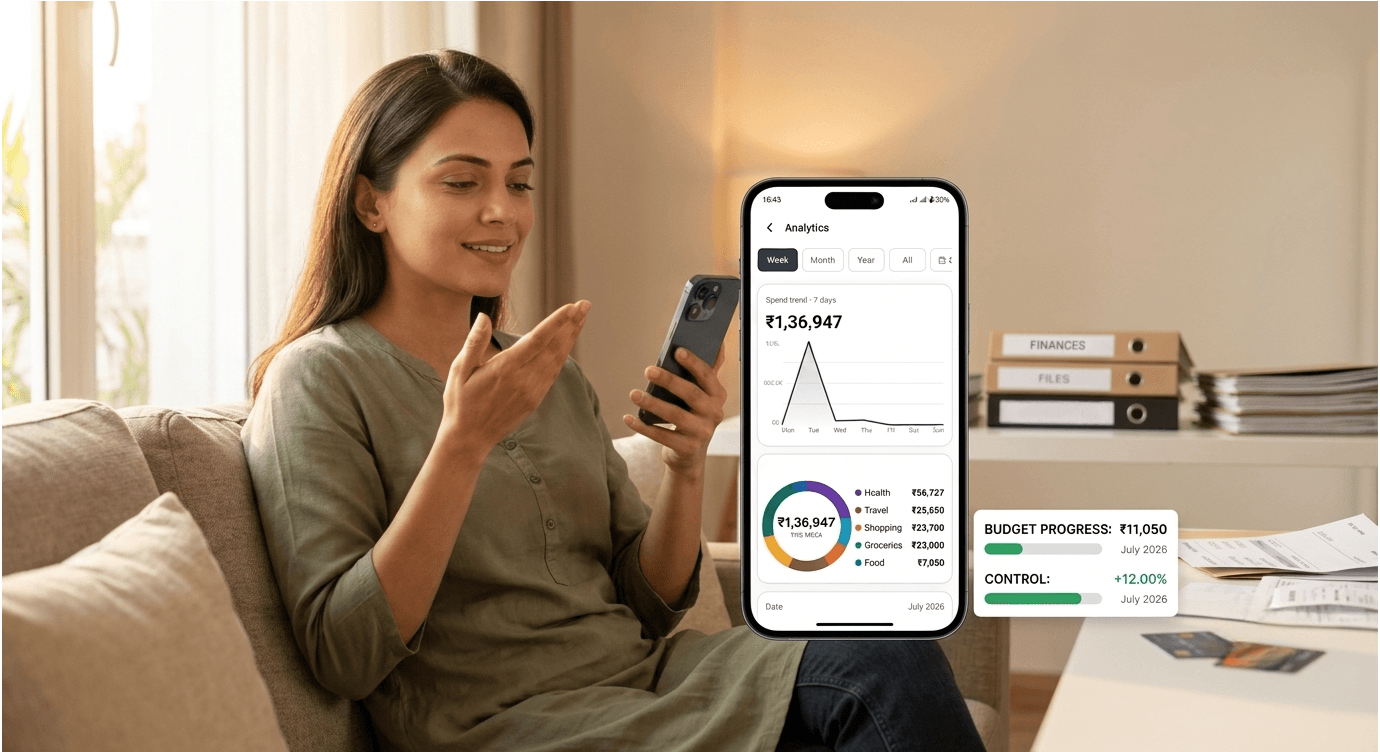
You Know Tracking Your Spending Matters, But You Just Can’t Get Started. Coffee bought at 10:15 AM. Logging it was the plan, Until a notification got in the way.Forty minutes later, you’re reading a news article you don’t remember opening. The coffee never made it into your budget. Multiply that by a week of small
You Know Tracking Your Spending Matters, But You Just Can’t Get Started. Coffee bought at 10:15 AM. Logging it was the plan, Until a notification got in the way.Forty minutes later, you’re reading a news article you don’t remember opening. The coffee never made it into your budget. Multiply that by a week of small
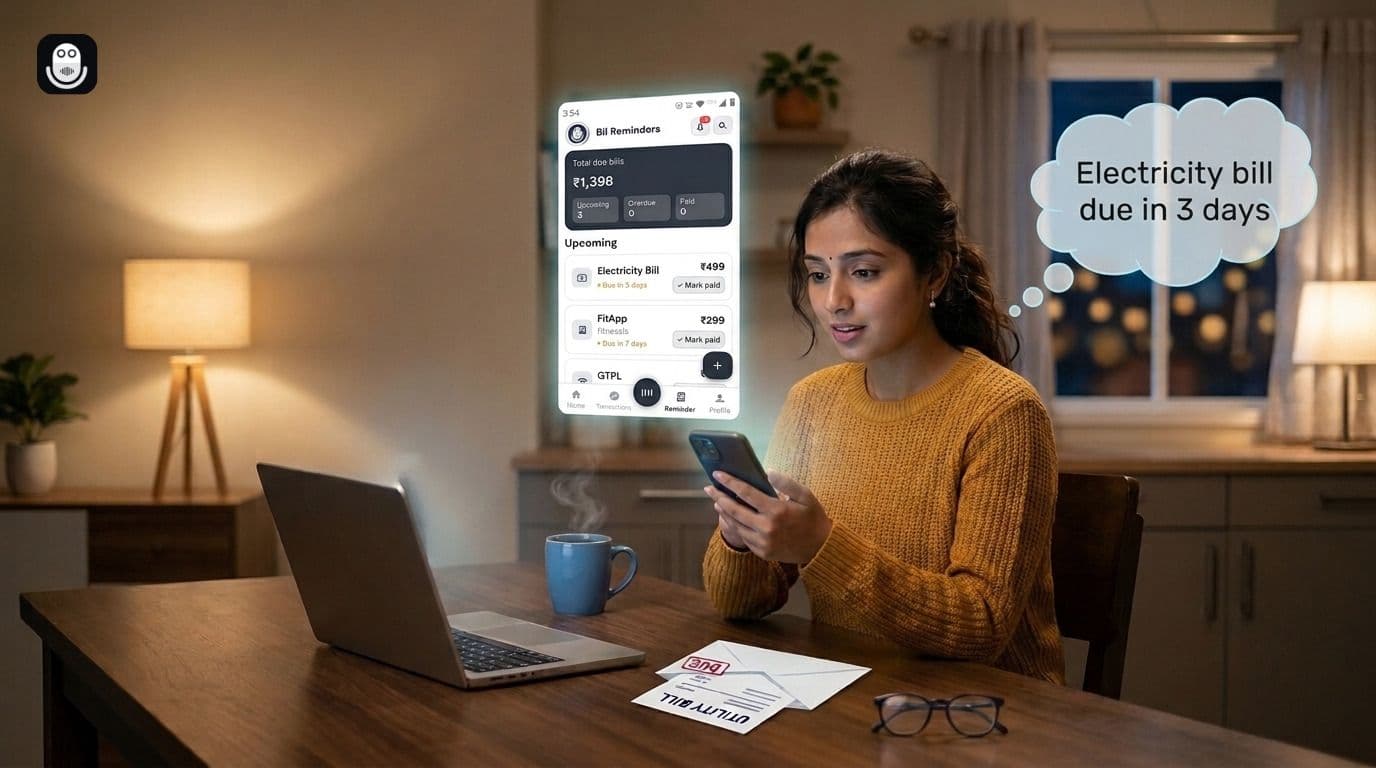
You Didn’t Forget Because You Don’t Care You knew the electricity bill was due on the 10th and meant to pay it on the way home. Then a meeting ran late, a message needed a reply, and by the time you remembered, the portal was closed. The next month, a ₹450 late fee appeared on
The Household “Hisaab” Problem in Indian Families In Indian households, money flows in multiple directions. Mummy buys groceries (₹1,200). Papa pays school fees (₹3,500). Sister buys medicines (₹450). Brother refills water (₹200). Everyone spends, but one person – usually a parent – manages the “Hisaab” (household accounts). The problem? Nobody writes things down. Mummy remembers
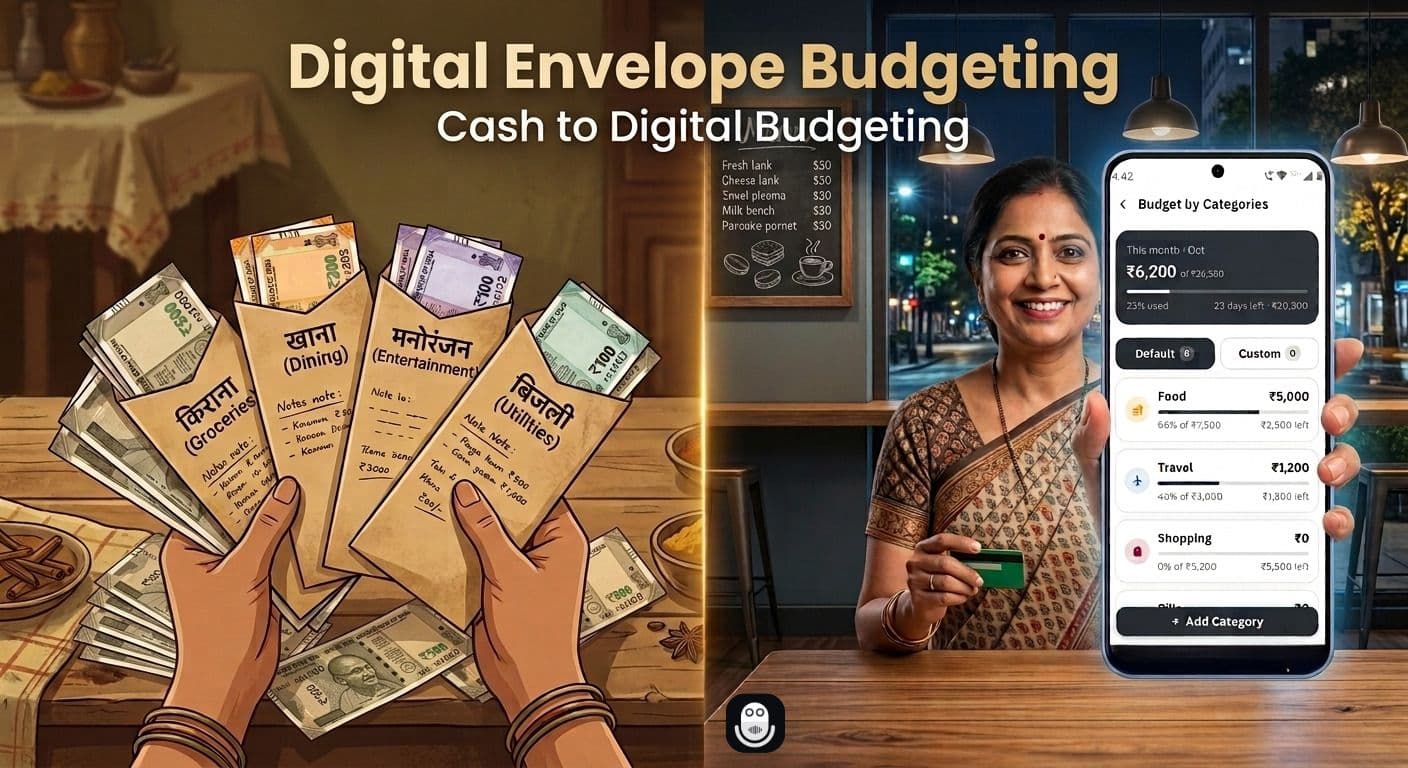
The Cash Envelope Problem in a Digital World Your grandmother had a system that worked: She withdrew cash, divided it into envelopes labeled “Groceries,” “Utilities,” “Entertainment,” and “Savings.” When an envelope was empty, she stopped spending. Simple. Foolproof. The problem? This was 1980. Today, everything is digital. You use credit cards, UPI, net banking, digital
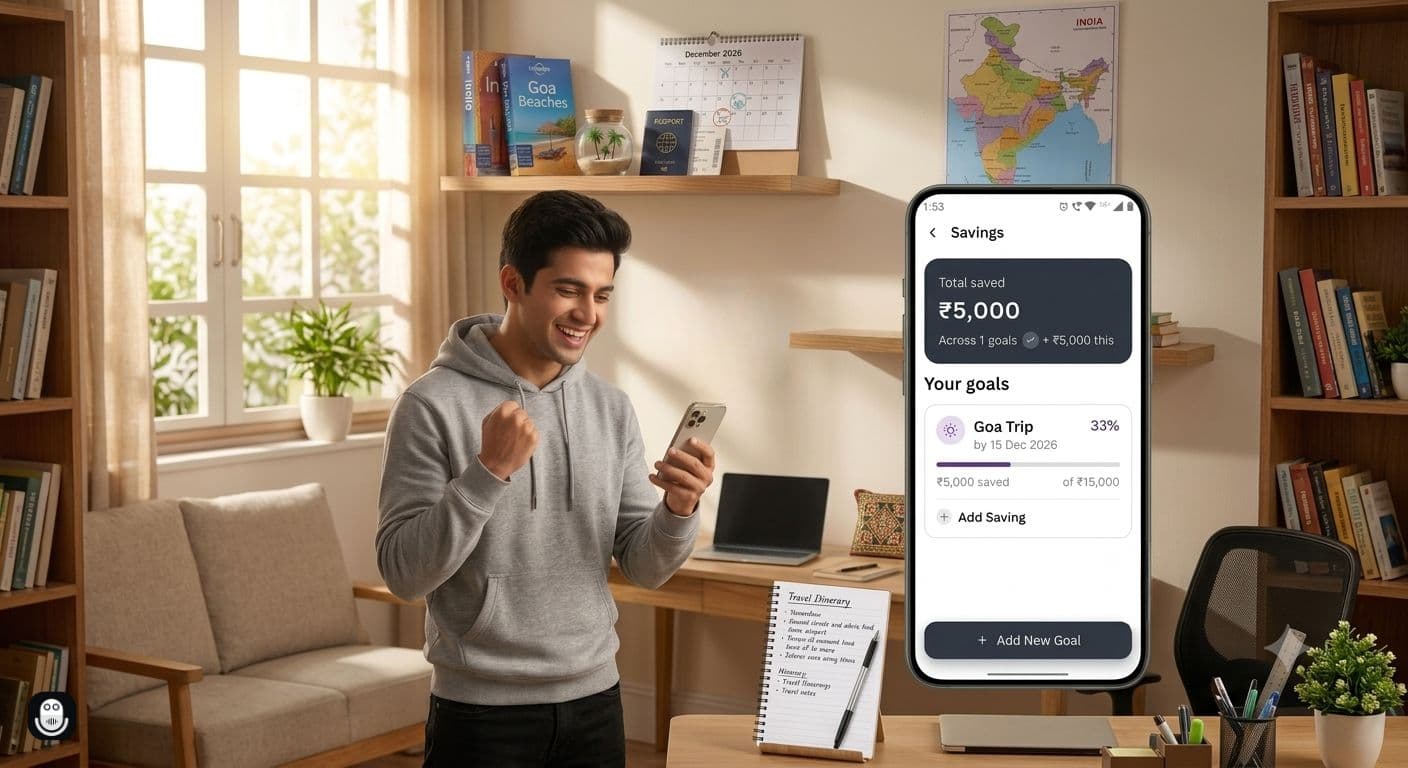
The Post-Vacation Financial Shock You return from holiday feeling relaxed and refreshed. Then you check your credit card statement. You spent ₹95,000. Your budget was ₹60,000. You vaguely remember expensive dinners. That unplanned shopping trip. The last-minute tour. But the exact damage? Unknown. This is post-vacation guilt. And it affects 73% of travelers who don’t
“Save for retirement.” “Buy a house.” “Build a six-month emergency fund.” Every finance influencer starts here: technically correct goals that feel useless on a Tuesday afternoon. If you’re 22, saving ₹8,000 for concert tickets in six weeks, a retirement calculator won’t stop tonight’s food order. It’s too big, too far away, and too disconnected from
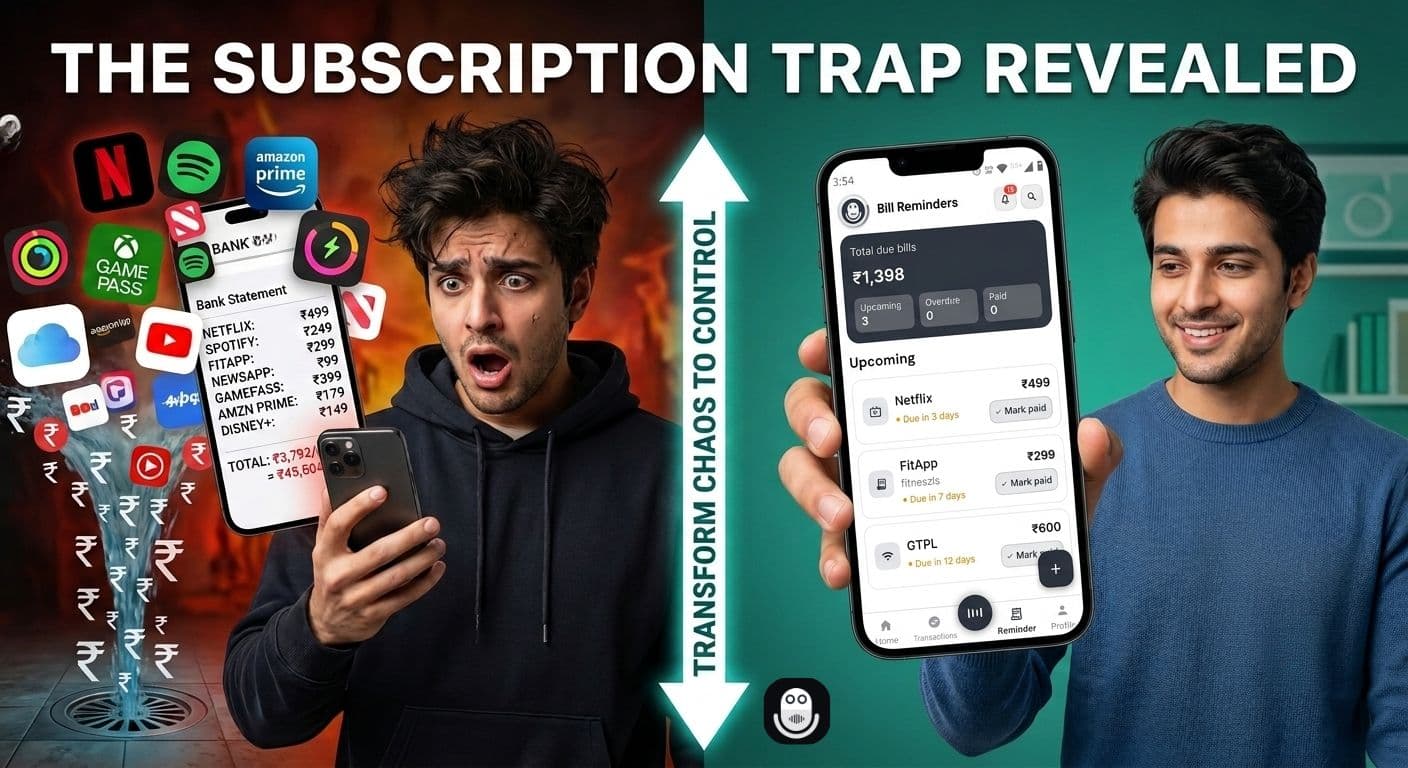
The Subscription Trap You Didn’t Know You Were In You signed up for that Netflix trial three months ago. Free for one month, then ₹499/month. You forgot to cancel. Three charges of ₹499 later, you notice the deduction on your bank statement. ₹1,497 wasted on a service you haven’t opened in 8 weeks. But that’s
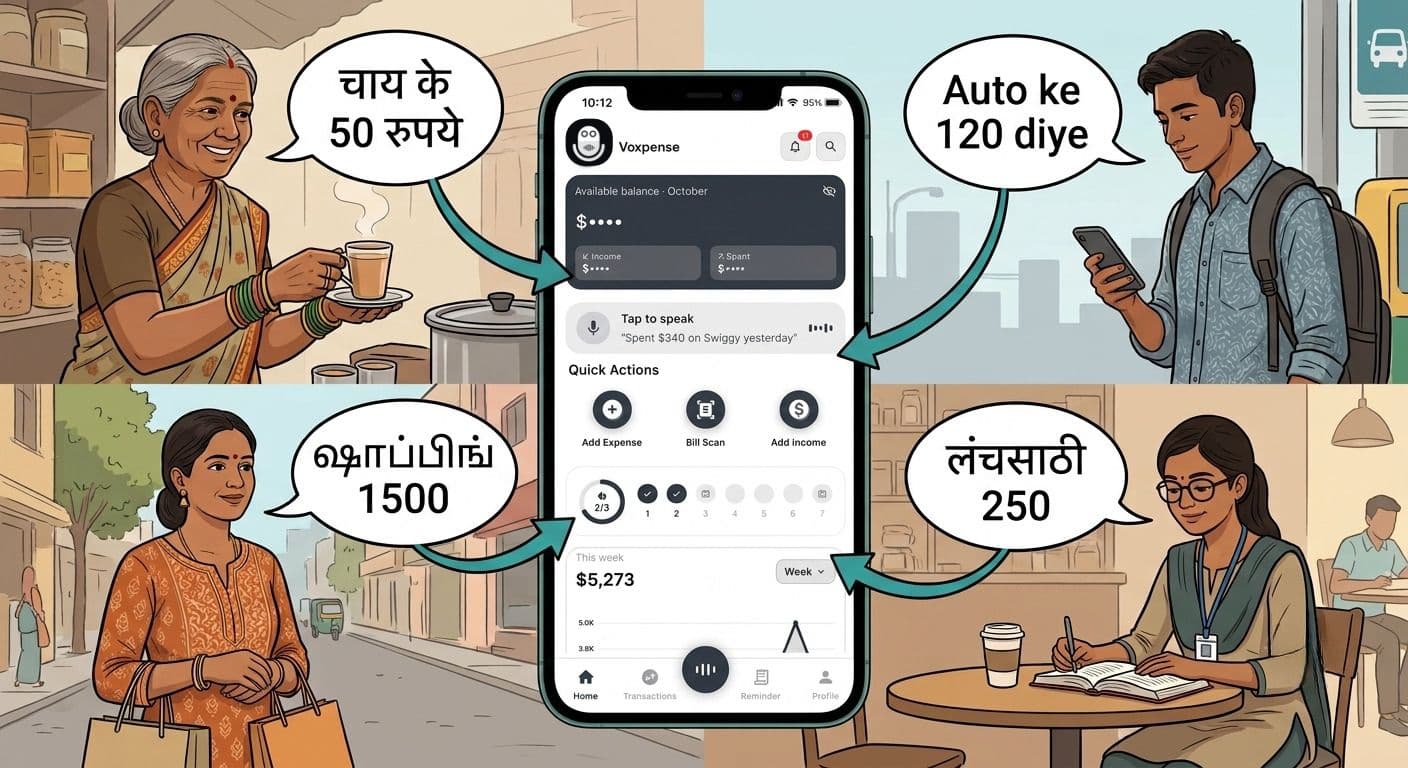
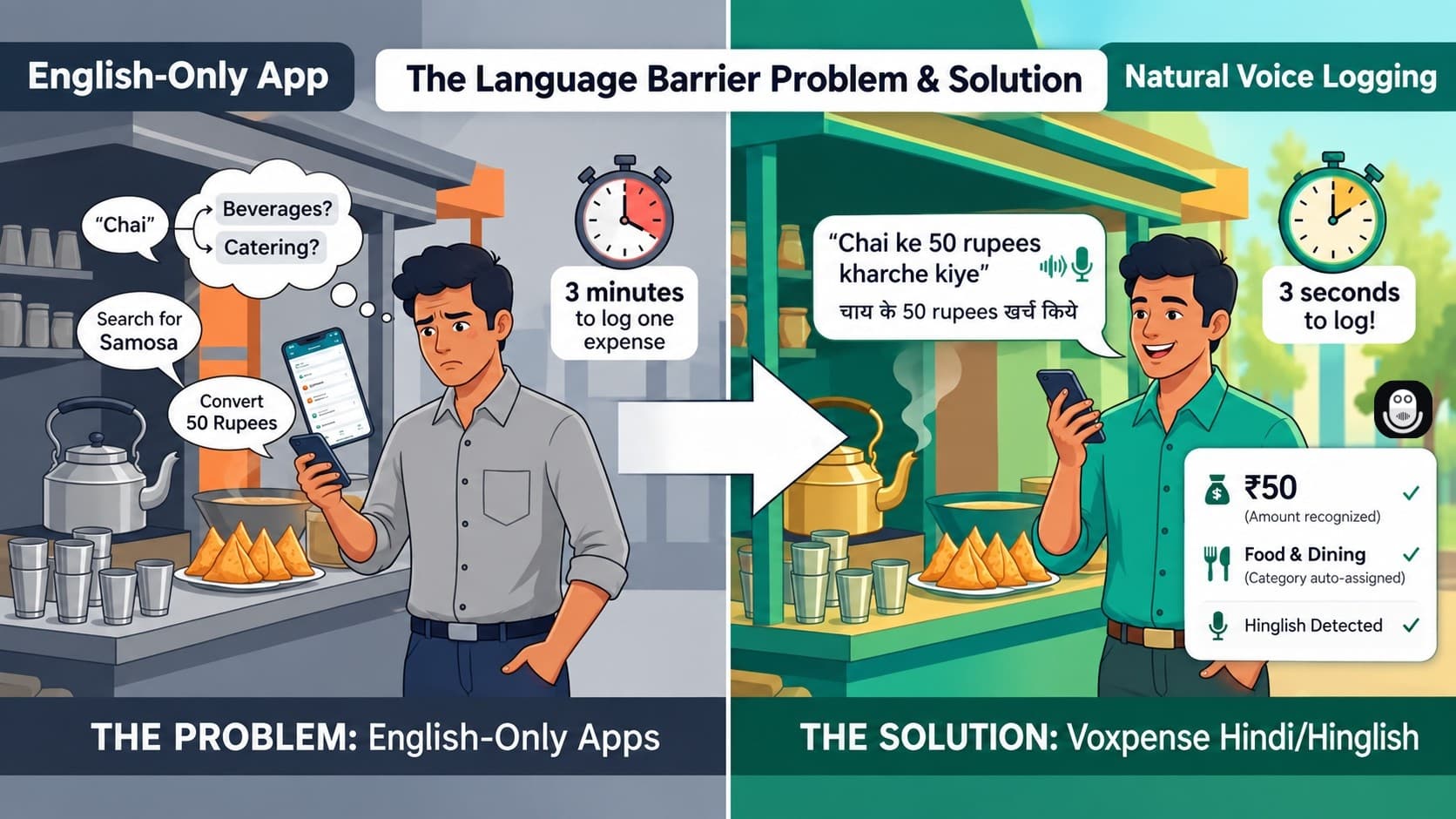
“500 Rs chai aur nashte pe kharch kiya.” That’s a normal Tuesday morning sentence for lakhs of Indians. Not “I spent 500 rupees on tea and breakfast.” Not shuddh Hindi either. Just the natural mix of English, Hindi, and regional languages many Indians use every day. Now open a typical budgeting app and try to
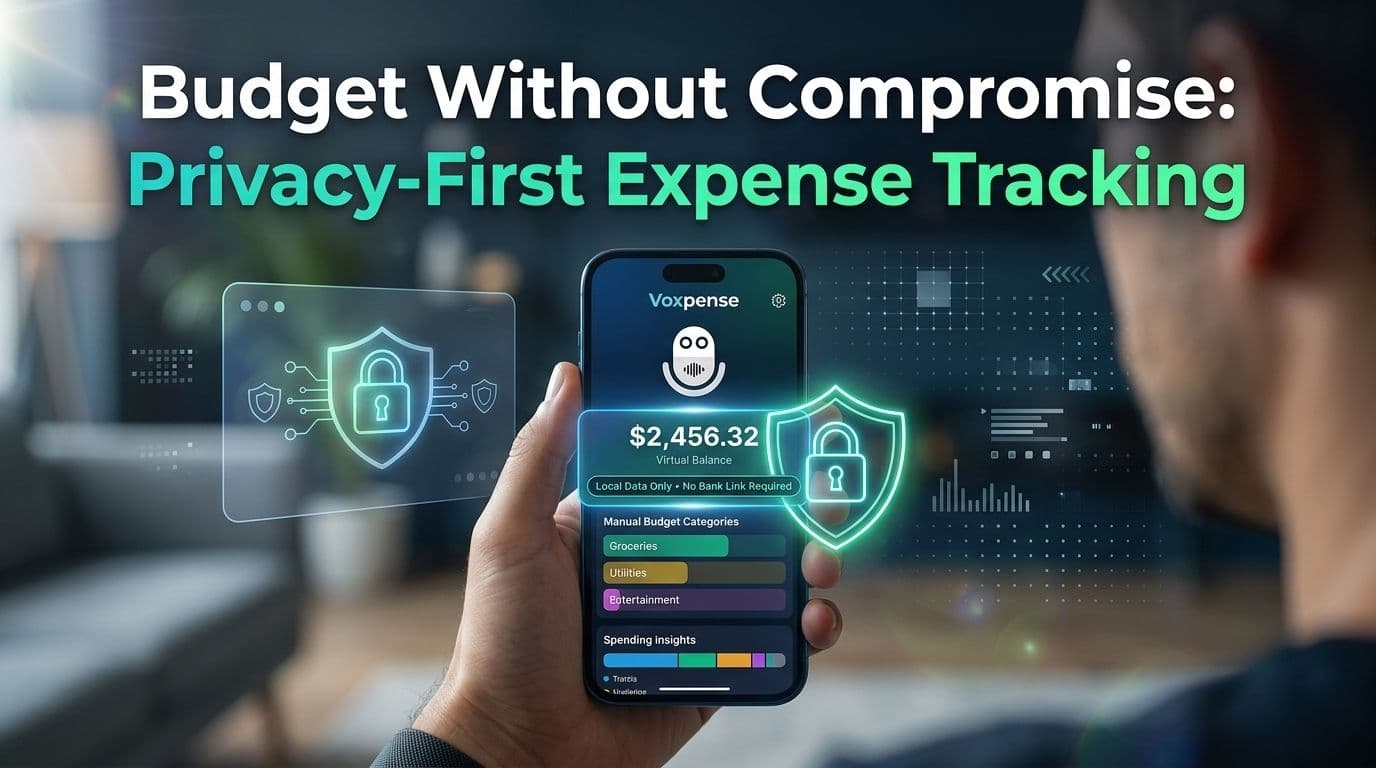
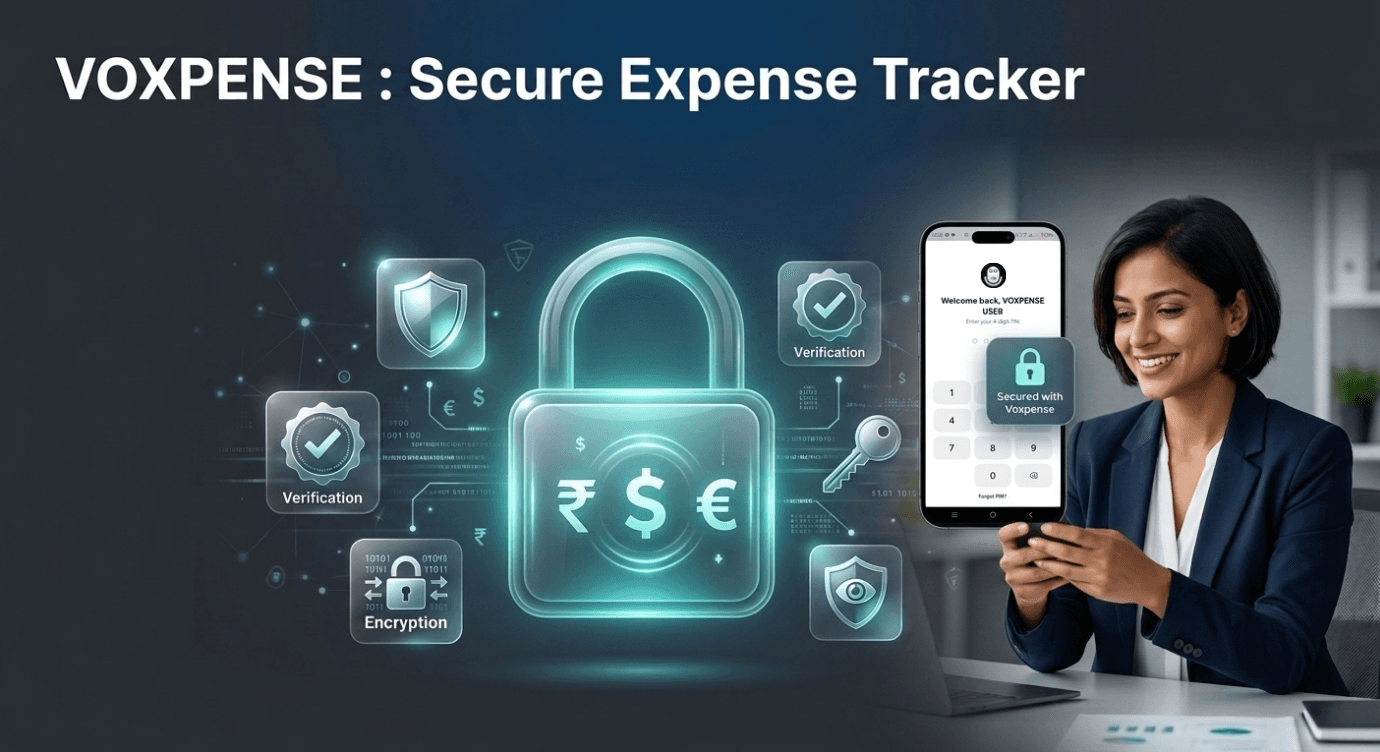
If you’ve ever hesitated before entering your bank login credentials into a budgeting app, you’re not alone. Every time you grant a budget app access to your bank account through services like Plaid or Yodlee, you’re essentially handing over your financial keys to a third party. One data breach. One security vulnerability. One compromised server.
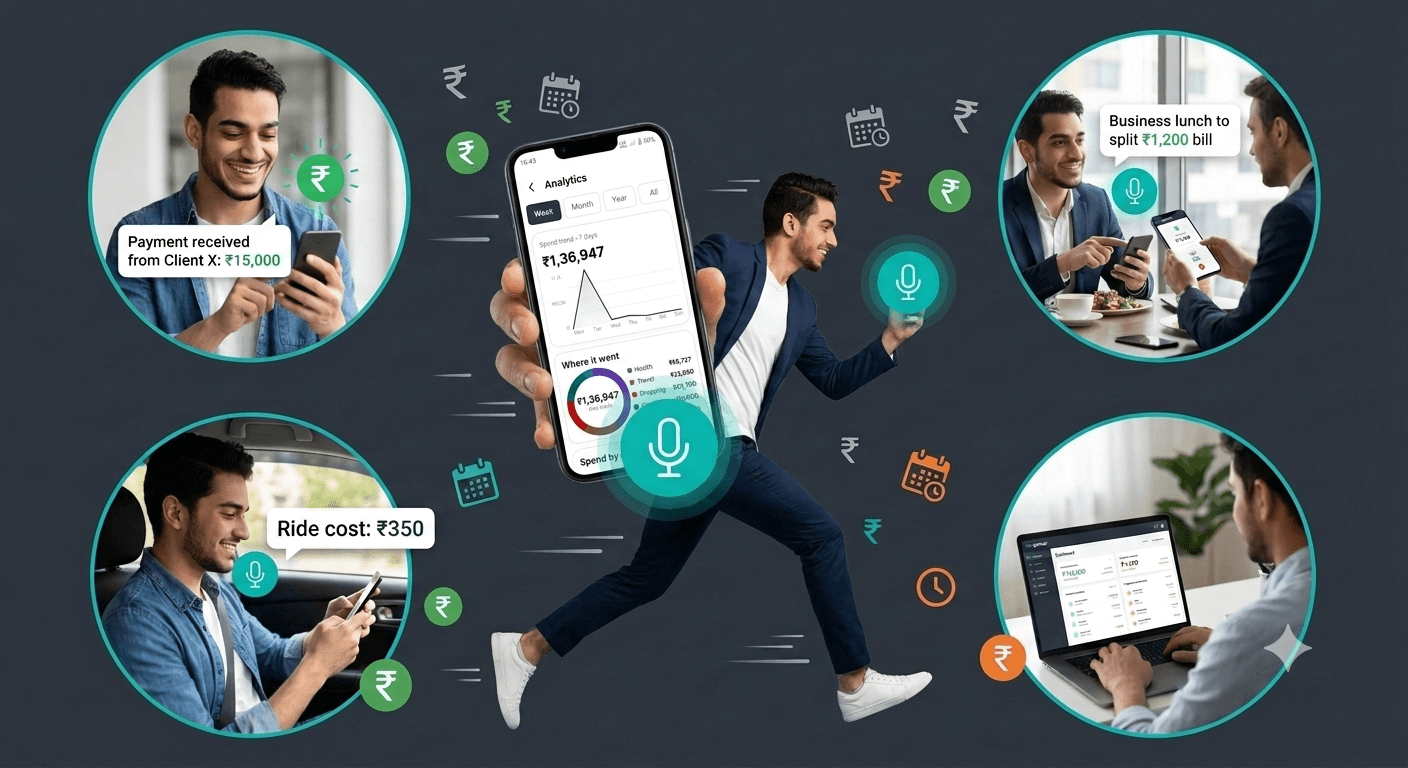
The $4,000 Lunch You Forgot to Log You complete a freelance project on Thursday afternoon. Client sends payment via PayPal. You glance at the notification and keep working. Friday, you meet a fellow contractor for lunch to discuss potential collaboration. $28 meal. You split the bill, throw your card down, and leave. No receipt saved,
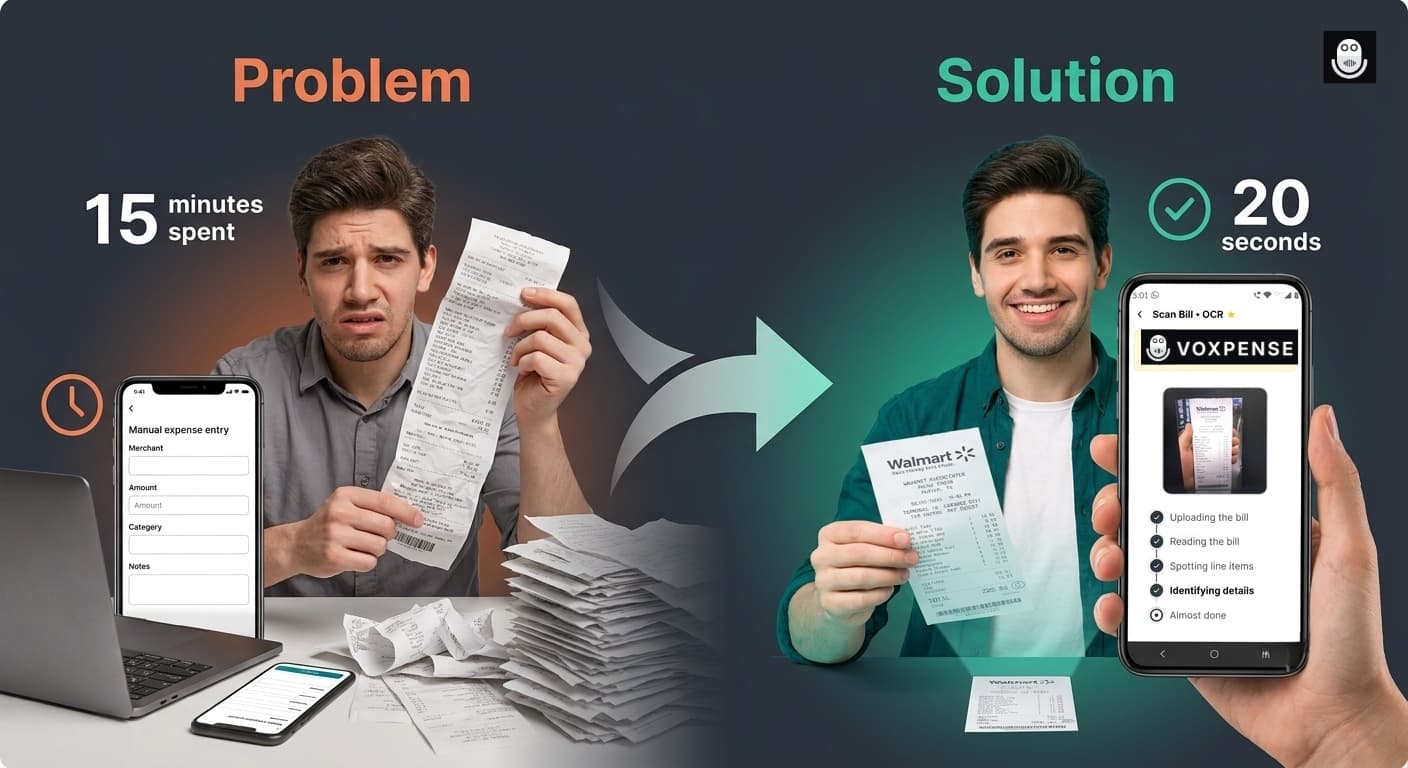
The Bill Nightmare That Nobody Talks About You’re standing at the grocery checkout counter. The cashier hands you the bill. It’s long. Really long. You’re talking 25 items across 8 different categories. You’ve got groceries, household essentials, and even those office supplies you bought on impulse. You get home thinking: “I’ll log this into my
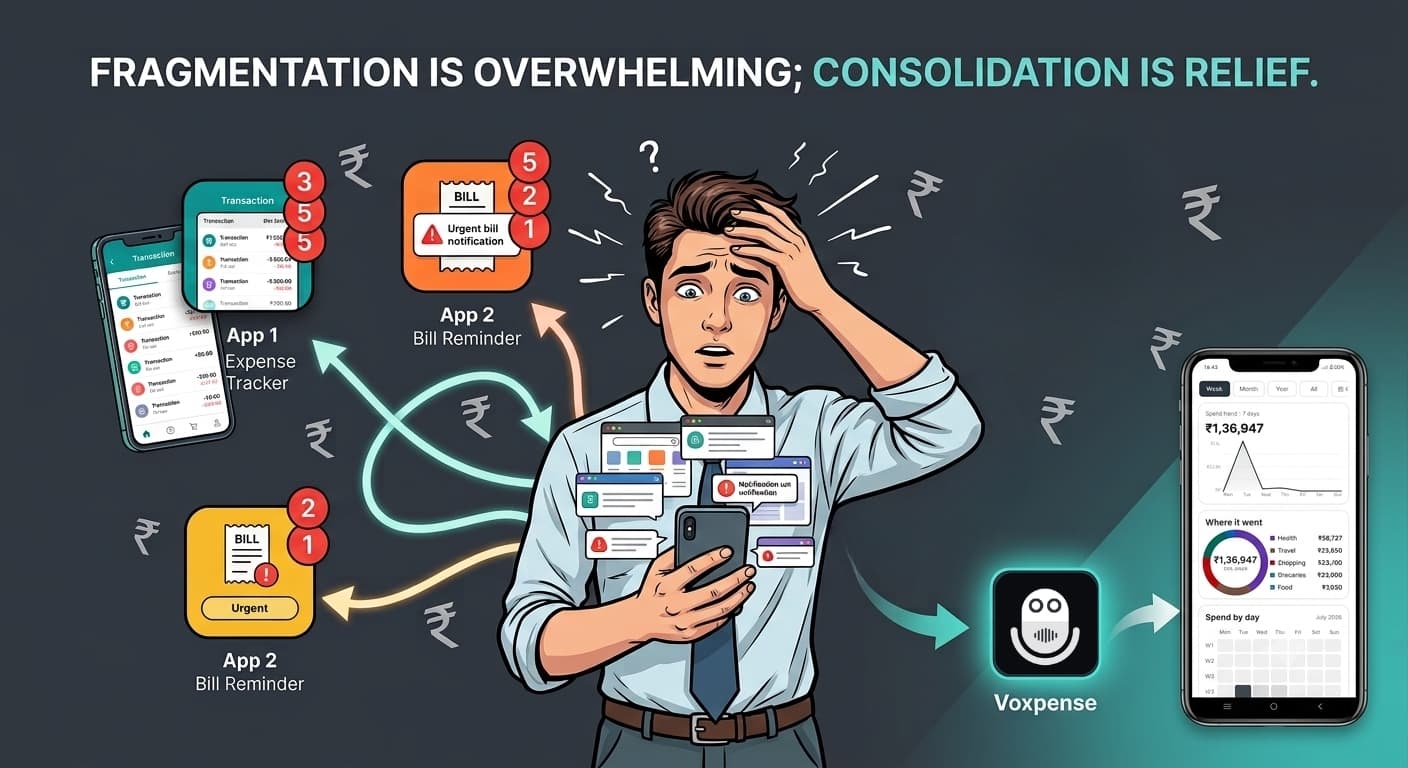
The App Fatigue That’s Draining Your Life Open your phone and count your financial apps. App 1: Expense tracker (for daily spending) App 2: Bill reminder (for upcoming payments) App 3: Savings goal tracker (for money goals) That’s three separate login screens. Three separate dashboards. Different notification systems & three different approaches to the same
The Spreadsheet Showdown: Traditional vs. Modern It’s 2:30 PM. You just spent ₹450 on lunch with a potential client. User A’s Reality (Spreadsheet Method): User B’s Reality (Voice Logging Method): Time difference: 4 minutes and 57 seconds saved per transaction. Over a year, if you log just 10 expenses weekly, that’s 2,570 minutes (43 hours)
The Voice Expense Tracking Fear That Stops Users. You’re considering Voxpense. You like the idea of voice logging expenses. But then the thought hits: “What if the app is always listening? What about my financial data? Is this safe?“ You’re not being paranoid. You’re being smart. Financial data is intimate. Voice recordings of your spending
The Spreadsheet Trap That Traps People with ADHD You downloaded the spreadsheet. The carefully formatted one with color-coded cells and formulas. You felt motivated—today was the day you’d finally organize your finances. Day three, you hadn’t opened it. By week two, you’d forgotten it existed. By month three, your account was difficult to find again.
The Gap Between Tracking Expenses and Building Wealth You diligently log every coffee, every lunch, every impulse buy. Your expense tracking is flawless. Yet, when you look at your savings account, it feels stagnant. You’re tracking money going out—but are you intentionally building wealth? This is the critical gap that separates people who manage money
The Two-Week Budgeting Graveyard You download the budgeting app on a Monday morning, full of optimism. This time will be different. This time you’ll stick with it. You spend an hour setting up categories, inputting your accounts, configuring alerts. It feels productive. You open a spreadsheet and manually track three transactions. You feel accomplished. By
The Silent Financial Crisis Nobody Talks About You receive a notification on your phone three weeks after your electricity bill was due. Your heart sinks. Not only do you owe the original amount, but you’re now staring at a late fee—often 1-5% of your total bill plus potential penalties. What started as a simple oversight
The $47 Latte You Don’t Remember Buying You pull up your credit card statement on Monday evening. There it is: Starbucks, $6.80. Again. But you can’t remember which day you bought it. Then another one: $6.45. And another: $7.20. Three lattes from last week alone: twenty dollars you didn’t consciously spend. And that’s just coffee.
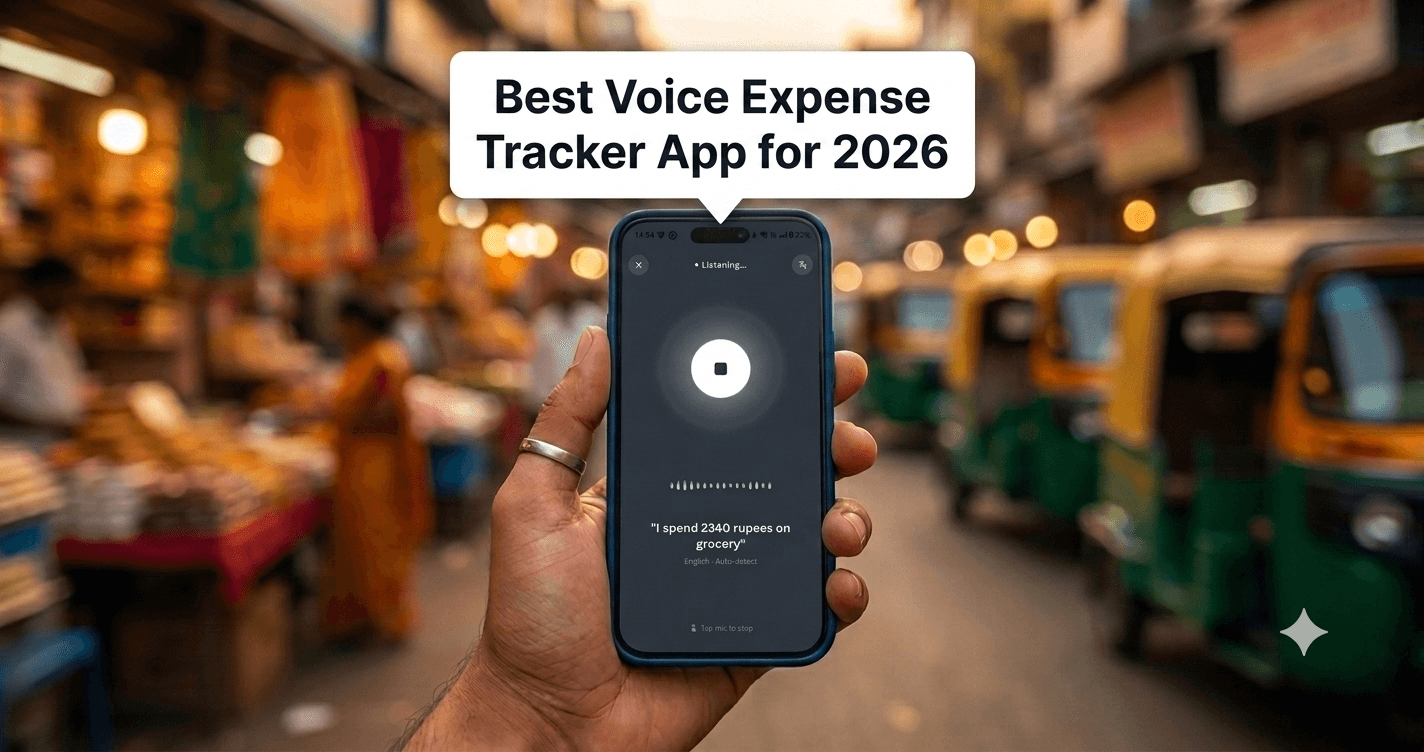
The Biggest Problem with Today’s Expense Tracking Apps You’re at the grocery store. Bags in both hands. You just spent ₹2,340. You get to your car and think: “I should log this.” But then you realize: your hands are full. Your phone is buried in your pocket. Opening the banking app, finding the expense tracker,
Voxpense-Team
·11 min read
New posts, straight to your inbox.
Guides on budgeting and voice expense tracking, sent when we publish. No spreadsheets attached.
The iOS app is still in the works
Voxpense for iPhone is in development and launching soon. Leave your email and we'll let you know the moment it hits the App Store.
Launch announcement only. No spam, unsubscribe any time.